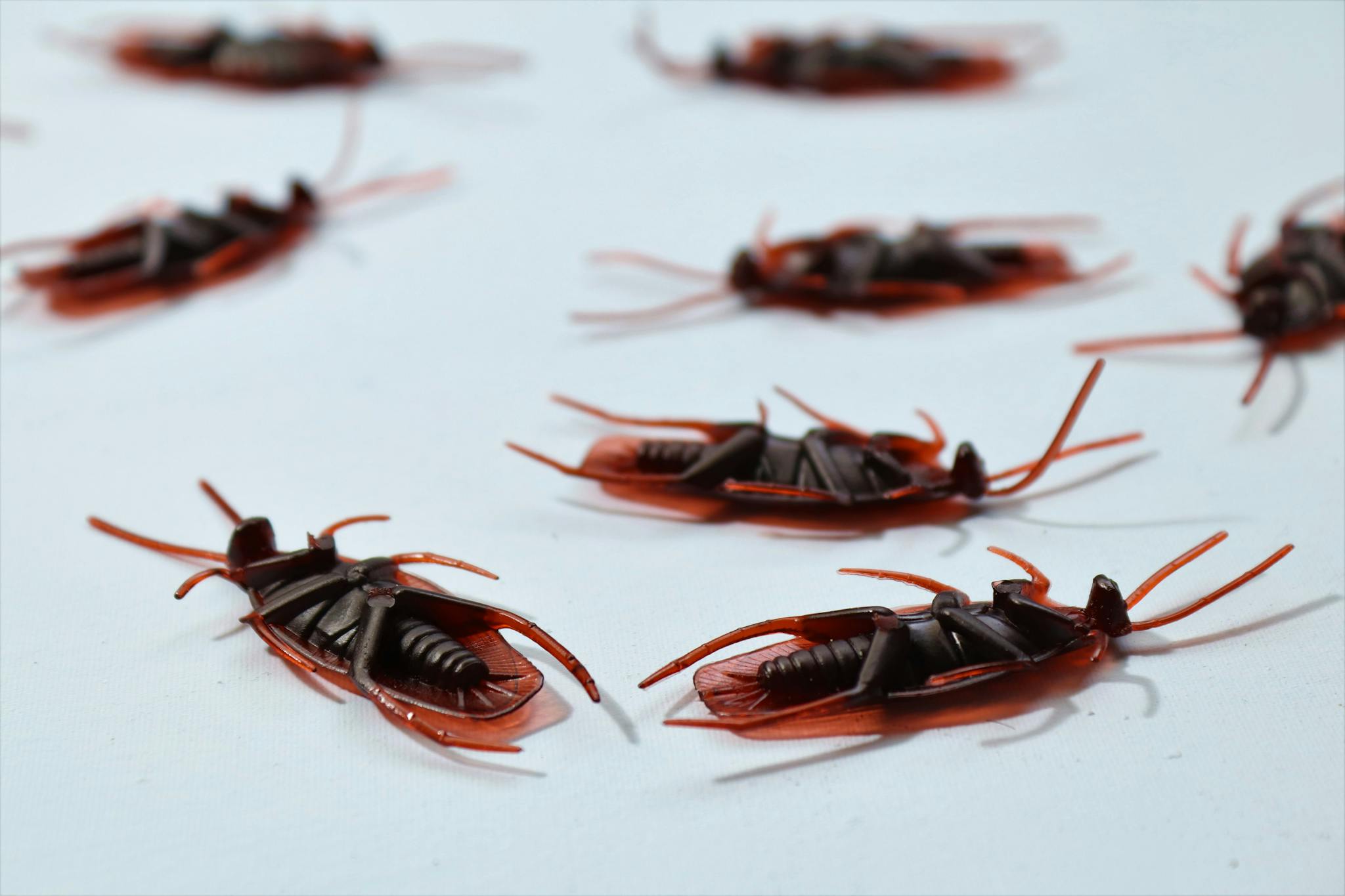
For restaurant owners in South Florida, cockroaches are more than a pest problem — they’re a business threat. A single roach spotted by a customer, a failed Broward or Palm Beach County health inspection, or a negative review mentioning pests can cause serious, lasting damage to a restaurant’s reputation. In the age of Google reviews and Yelp, word spreads fast.
The good news is that cockroach infestations in restaurants are both preventable and fully treatable with the right approach. Here’s what South Florida restaurant owners need to know.
Why Florida Restaurants Are So Vulnerable to Cockroaches
German cockroaches — the species responsible for the vast majority of restaurant infestations — are perfectly adapted to the warm, humid, food-rich environment of a commercial kitchen. They breed extremely rapidly: a single female German cockroach can produce hundreds of offspring in her lifetime, and a population can double every few weeks under ideal conditions.
South Florida’s climate makes things worse. Unlike northern states where cold temperatures slow cockroach activity, our year-round warmth means there is no seasonal break. German cockroach populations in South Florida kitchens breed 12 months a year, which is why monthly professional treatment — not quarterly — is the industry standard for food service operations in Broward, Palm Beach, and Miami-Dade County.
The Most Common Ways Cockroaches Enter a Restaurant
Understanding how cockroaches get in is the first step to keeping them out.
Deliveries. German cockroaches are expert hitchhikers. They arrive inside cardboard boxes, beer cases, produce deliveries, and equipment shipments. Inspecting deliveries before bringing them inside is one of the most effective prevention measures a restaurant can take.
Used equipment. Buying secondhand fryers, refrigerators, or prep tables? German cockroaches hide in the motor housings, compressor cavities, and insulation of commercial kitchen equipment. Always inspect used equipment thoroughly — or have it professionally inspected — before installation.
Plumbing and utility penetrations. Gaps around pipes, conduit, and utility penetrations in walls and floors are highway entrances for cockroaches. In older South Florida restaurant buildings, these gaps are common and often overlooked.
Neighboring businesses. In strip mall and shared-wall commercial environments — common throughout Broward and Palm Beach County — a cockroach infestation in a neighboring business can migrate through shared wall voids and utility spaces into your kitchen.
Drains. American cockroaches — the large, reddish-brown species — frequently enter restaurants through floor drains connected to the sewer system. They’re most active at night and are often seen near floor drains, grease traps, and dishwashing areas.
Daily and Weekly Practices That Reduce Cockroach Risk
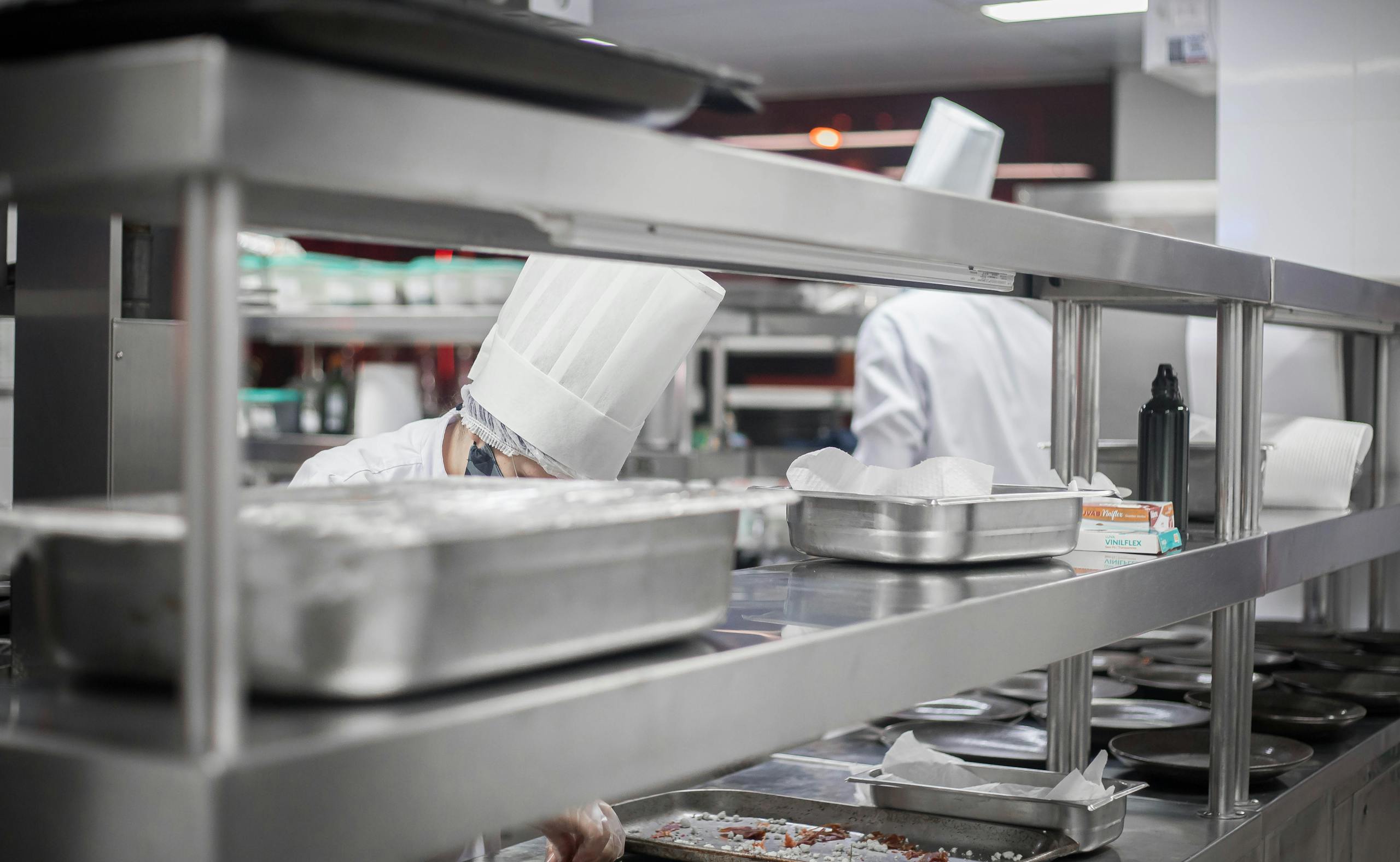
Professional pest control is essential — but it works best when combined with good sanitation and maintenance practices. Here’s what makes the biggest difference in a South Florida restaurant kitchen:
Clean grease daily. Grease is one of the primary food sources for cockroaches in commercial kitchens. Cleaning behind and beneath fryers, grills, and prep areas every day dramatically reduces the food availability that supports roach populations.
Never leave food or waste overnight. Empty all trash cans, clean floor drains, and store all food in sealed containers before closing. An empty kitchen is a much harder environment for cockroaches to survive in.
Fix leaks immediately. German cockroaches need water to survive. Leaky pipes, dripping faucets, and condensation accumulation around refrigeration units are all water sources that support cockroach populations. Fix any plumbing leaks as soon as they’re identified.
Inspect every delivery. Train your receiving staff to look inside cardboard boxes — particularly in the bottom corners — before accepting deliveries. If you spot cockroaches in a delivery, reject it and notify your supplier.
Seal gaps around pipes and conduit. Walk your kitchen periodically and look for gaps around wall penetrations. These can be sealed with caulk or steel wool. Your pest control technician can also identify these during service visits.
Keep storage off the floor. Store dry goods, paper products, and equipment at least 6 inches off the floor. This eliminates cockroach harborage beneath storage and makes cleaning more effective.
What to Expect from Professional Cockroach Treatment in a Restaurant
A professional commercial pest control program for a South Florida restaurant is fundamentally different from a residential treatment. Here’s how Alco Pest Control approaches restaurant cockroach management:
Monthly service. Given South Florida’s climate and German cockroach breeding rates, monthly service visits are the standard for food service operations. Quarterly treatment is not sufficient to keep ahead of cockroach reproduction in this environment.
Gel bait application. Commercial-grade gel baits are the most effective primary treatment for German cockroaches in kitchen environments. They’re applied in cracks, crevices, and voids — inside motor housings, beneath equipment, inside cabinet hinges, and along the back walls of lower cabinets — where cockroaches harbor. Gel baits attract and kill cockroaches without the need for heavy spraying near food preparation surfaces.
Residual treatment. Residual insecticides are applied in non-food contact areas, along baseboards, in utility rooms, and in other areas where cockroaches travel. These create a lasting barrier that kills cockroaches between bait applications.
Insect growth regulators (IGRs). IGRs are products that prevent immature cockroaches from reaching reproductive maturity, breaking the breeding cycle. They’re an important part of a complete commercial cockroach management program.
Service documentation. Every visit generates a service record documenting the areas treated, products applied, and pest activity observed. This documentation is essential for Broward and Palm Beach County health inspections and provides a paper trail demonstrating your commitment to pest management.
After-hours scheduling. All restaurant pest control service should be performed during non-operating hours — before opening or after closing — to avoid disrupting service and to allow treated surfaces to dry before food preparation resumes.
Preparing for a Broward or Palm Beach County Health Inspection
Health inspectors in Broward and Palm Beach County take cockroach violations seriously. Here’s what you need to know:
A live cockroach observed during inspection is a critical violation that can result in immediate closure. Cockroach droppings, egg casings, or evidence of cockroach activity in food preparation or storage areas also constitute significant violations.
The best preparation for a health inspection is an ongoing monthly pest management program with documented service records. Inspectors look favorably on operations that have a professional pest control contract in place. If you don’t have a current contract and an inspection is coming up, call us immediately — we can schedule emergency service and provide documentation.
What to Do If You Fail a Health Inspection for Cockroaches
Stay calm and act fast. Here’s the process:
- Call your pest control company immediately. If you’re not already contracted with a pest control company, call Alco Pest Control at 954-427-6008. We prioritize emergency commercial service.
- Deep clean the entire kitchen. Focus on areas behind and beneath all equipment, inside all drains, and inside all cabinets.
- Schedule a follow-up inspection. After professional treatment, contact the health department to schedule a re-inspection.
- Request documentation from your pest control company. The re-inspection will go better if you can show the inspector a service record from a licensed professional.
Most restaurants that fail for cockroaches can pass re-inspection within 24 to 72 hours with immediate professional treatment combined with thorough sanitation.
Alco Pest Control — South Florida’s Commercial Restaurant Pest Specialists
Alco Pest Control has been providing documented monthly pest management for South Florida restaurants, diners, cafes, and food service businesses for over 27 years. We understand health code compliance, we offer after-hours service, and we provide the documentation you need to stay inspection-ready year-round.
Call 954-427-6008 or contact us online to set up a free commercial inspection.
Serving restaurants throughout Fort Lauderdale, Pompano Beach, Boca Raton, Hollywood, Coral Springs, Delray Beach, and all of Broward, Palm Beach, and Miami-Dade County.