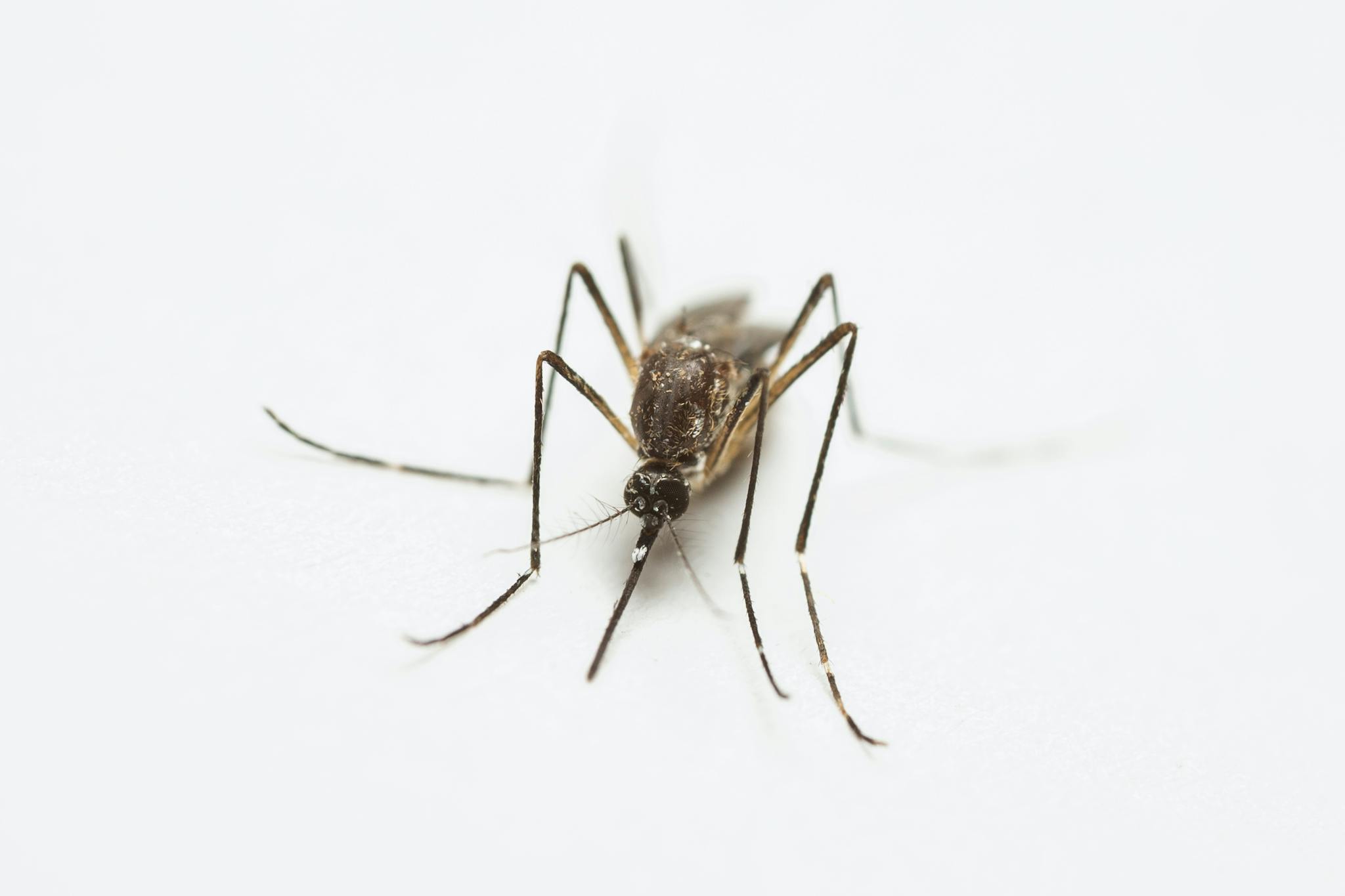
If you live in South Florida, you know that mosquitoes aren’t just a summertime nuisance — they’re a year-round reality. Our subtropical climate, long wet season, and extensive canal and waterway system create ideal conditions for mosquito breeding throughout the year. From May through October the pressure is at its peak, but even in the dry winter months, mosquito activity in Broward, Palm Beach, and Miami-Dade County never fully stops.
The good news is that there’s a lot you can do — both on your own and with professional help — to dramatically reduce mosquito populations in your yard and reclaim your outdoor living space.
Understanding the Mosquito Problem in South Florida
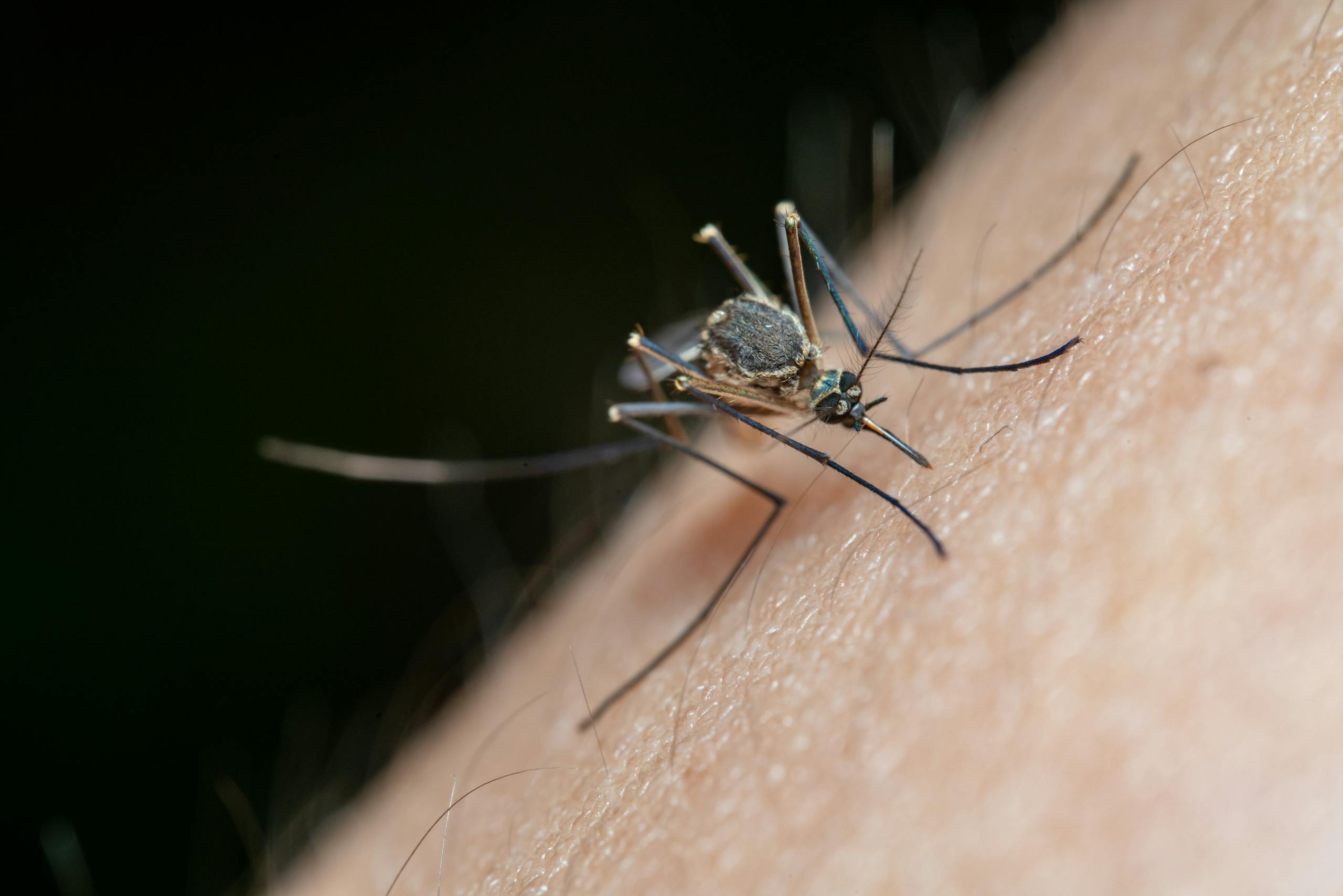
Before we talk solutions, it helps to understand the scale of the challenge. South Florida is home to dozens of mosquito species, but the most common and problematic in residential and commercial settings are Aedes aegypti (the yellow fever mosquito, which bites during the day), Aedes albopictus (the tiger mosquito, aggressive and active day and night), and Culex quinquefasciatus (the southern house mosquito, most active at dusk and dawn).
These mosquitoes don’t fly far from their breeding sites — typically no more than a few hundred feet. This is actually good news, because it means that controlling the breeding sources in and around your property has a direct and measurable impact on the mosquito population you experience.
Mosquitoes need water to breed. A female mosquito can lay 100 to 300 eggs in less than a teaspoon of standing water. Eggs hatch in as little as 24 to 48 hours in warm South Florida conditions. This rapid breeding cycle is why eliminating standing water is the single most effective thing you can do to reduce mosquito pressure on your property.
Step 1 — Eliminate Standing Water on Your Property
This is the most important step and the one that makes everything else more effective. Walk your property and look for every possible source of standing water:
Common breeding sources homeowners miss:
- Saucers under potted plants — these collect water and are among the most productive mosquito breeding sites in South Florida yards
- Gutters clogged with debris — standing water in gutters is a prime breeding source
- Birdbaths — should be emptied and refilled at least twice a week
- Pool covers with water pooled on top
- Tarps or covers on boats, grills, furniture, or other equipment where water collects
- Children’s toys, buckets, or containers left outside
- Low spots in the lawn where water pools after rain
- Ornamental ponds without fish or mosquito larvicide treatment
- Bromeliads — these plants collect water in their central cup and are a significant breeding site throughout South Florida
The more thoroughly you eliminate standing water, the less work your professional mosquito treatment has to do — and the more effective and long-lasting the results will be.
Step 2 — Treat Standing Water You Can’t Eliminate
Some water sources can’t be removed — ornamental ponds, water gardens, retention areas, or water features that are part of the property’s design. For these, mosquito larvicide is the solution.
Bacillus thuringiensis israelensis (Bti) is a naturally occurring bacteria that kills mosquito larvae in standing water without harming fish, wildlife, pets, or beneficial insects. It’s available in dunk or granule form at hardware stores and can be very effective in ornamental ponds, water gardens, and other permanent water features.
For larger water features or retention areas — particularly on canal-front or lakefront properties in communities throughout Broward and Palm Beach County — professional larvicide application is more practical and provides better coverage.
Step 3 — Manage Your Landscaping
Adult mosquitoes don’t spend their whole life flying — they rest in cool, shaded, humid vegetation during the heat of the day. Dense, overgrown landscaping close to your home is prime resting habitat for the same mosquitoes that bite you in the morning and evening.
Trimming back dense shrubs, cutting grass regularly, and removing dead plant material from around the foundation of your home significantly reduces the resting habitat available to adult mosquitoes on your property. This also makes professional barrier spray treatments more effective, as the products can better penetrate the vegetation where mosquitoes rest.
Step 4 — Professional Barrier Spray Treatment
Even with excellent source elimination and landscaping management, South Florida’s year-round climate and the sheer density of mosquito breeding habitat in our environment — canals, retention ponds, neighboring properties — means professional treatment is often necessary for meaningful, lasting control.
Barrier spray treatments apply residual insecticide to the vegetation around your property — shrubs, bushes, ground cover, tree lines, and shaded areas where adult mosquitoes rest. The product stays on the plant surfaces and kills mosquitoes that land on treated vegetation for several weeks after application.
A professional mosquito program typically includes monthly barrier spray treatments combined with larvicide application to any standing water sources on the property. Most clients notice a dramatic reduction in mosquito activity within 24 to 48 hours of the first treatment.
What Actually Works vs. What Doesn’t
There’s a lot of mosquito control advice circulating online, and some of it is not backed by evidence. Here’s an honest assessment:
Works well:
- Eliminating standing water (most important)
- Professional monthly barrier spray programs
- Larvicide treatment of standing water features
- Trimming dense landscaping to reduce resting habitat
- Personal repellents containing DEET or picaridin when you’re outdoors
Works with limitations:
- Mosquito traps — can reduce populations in small areas but won’t solve a yard-wide problem
- Citronella candles and torches — provide very localized relief within a few feet when there’s no wind
- Fan-based mosquito traps — some scientific support but most effective in combination with other methods
Does not work:
- Ultrasonic repellent devices — no scientific evidence of effectiveness against mosquitoes
- Bug zappers — kill very few mosquitoes and predominantly kill beneficial insects
- Planting citronella grass — the essential oils need to be extracted and concentrated to have any meaningful repellent effect; simply planting the grass does almost nothing
Mosquito Control for South Florida Businesses and Restaurants
If you operate a restaurant, bar, hotel, or any business with outdoor seating or common areas, mosquito control is directly tied to your customer experience and your bottom line. A mosquito-infested patio loses customers. Monthly professional mosquito treatment for your outdoor areas is one of the highest-return pest control investments a South Florida business can make.
Alco Pest Control provides commercial mosquito management for restaurants, hotels, event venues, apartment communities, and businesses throughout Broward, Palm Beach, and Miami-Dade County.
When to Call a Professional
If you’ve eliminated standing water, trimmed your landscaping, and you’re still experiencing significant mosquito pressure, it’s time for professional treatment. Other situations that call for professional mosquito control:
- Your property borders a canal, lake, retention pond, or waterway — breeding sources you can’t eliminate
- You want protection for an outdoor event
- You have a large property with significant vegetation or green space
- You’re in a neighborhood where neighboring properties have poor drainage or overgrown landscaping that generates mosquito pressure
Alco Pest Control — Professional Mosquito Control Throughout South Florida
Alco Pest Control provides monthly mosquito management programs for homes, businesses, and apartment communities throughout Broward, Palm Beach, and Miami-Dade County. Our programs combine larvicide treatment of water sources with residual barrier spray applications that dramatically reduce mosquito populations on your property.
Call 954-427-6008 or contact us online for a free mosquito control consultation.
Serving Pompano Beach, Fort Lauderdale, Boca Raton, Coral Springs, Hollywood, Deerfield Beach, and all of South Florida.