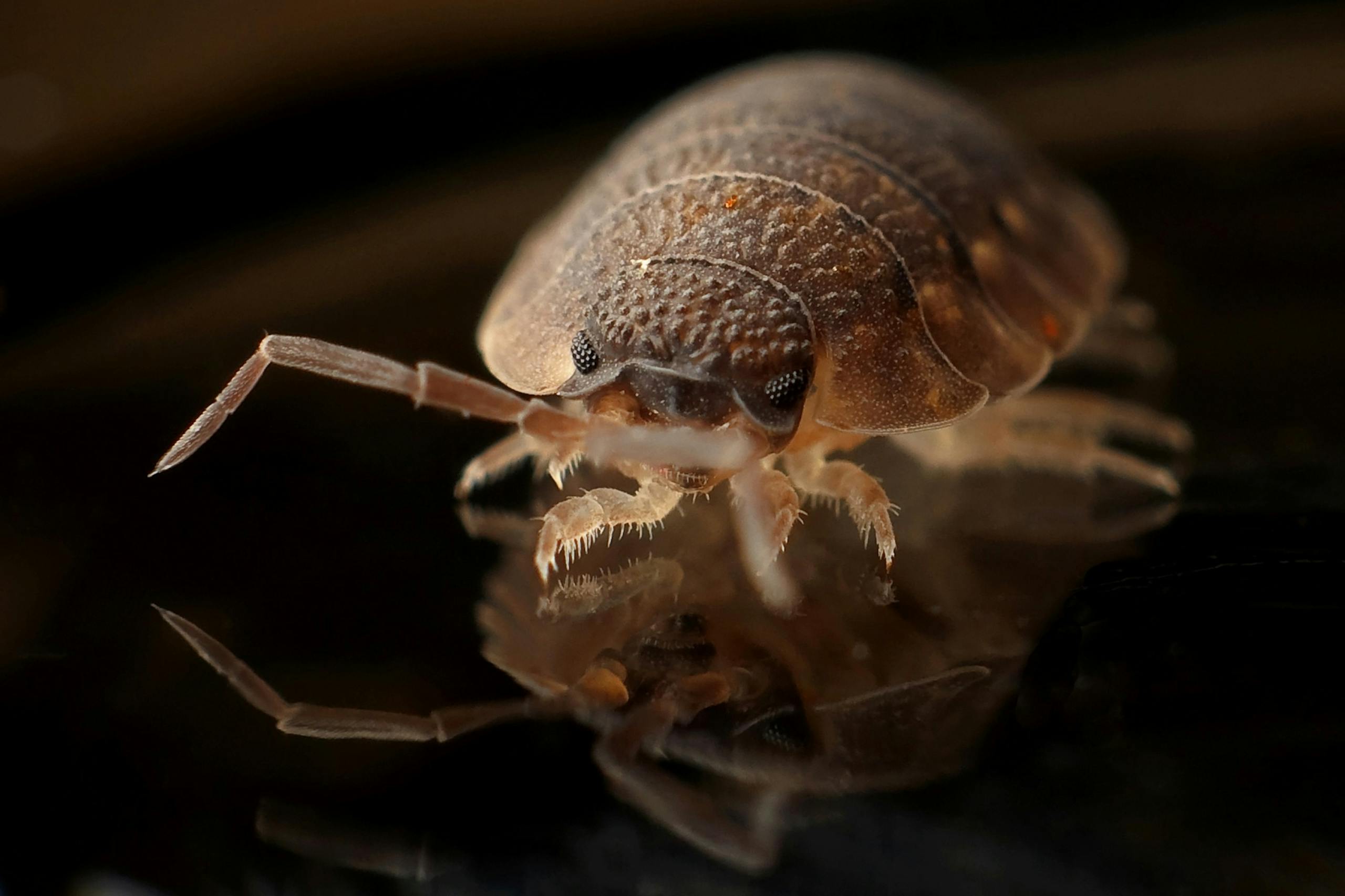
For property managers in South Florida, a bed bug report from a tenant is one of the most stressful situations you’ll face. Bed bugs spread quickly in multi-unit buildings, tenant reactions can be intense, and the legal landscape around landlord responsibilities is something every property manager needs to understand. Handle it well and you protect your property, your tenants, and your reputation. Handle it poorly and a single infested unit can become a building-wide problem with serious legal and financial consequences.
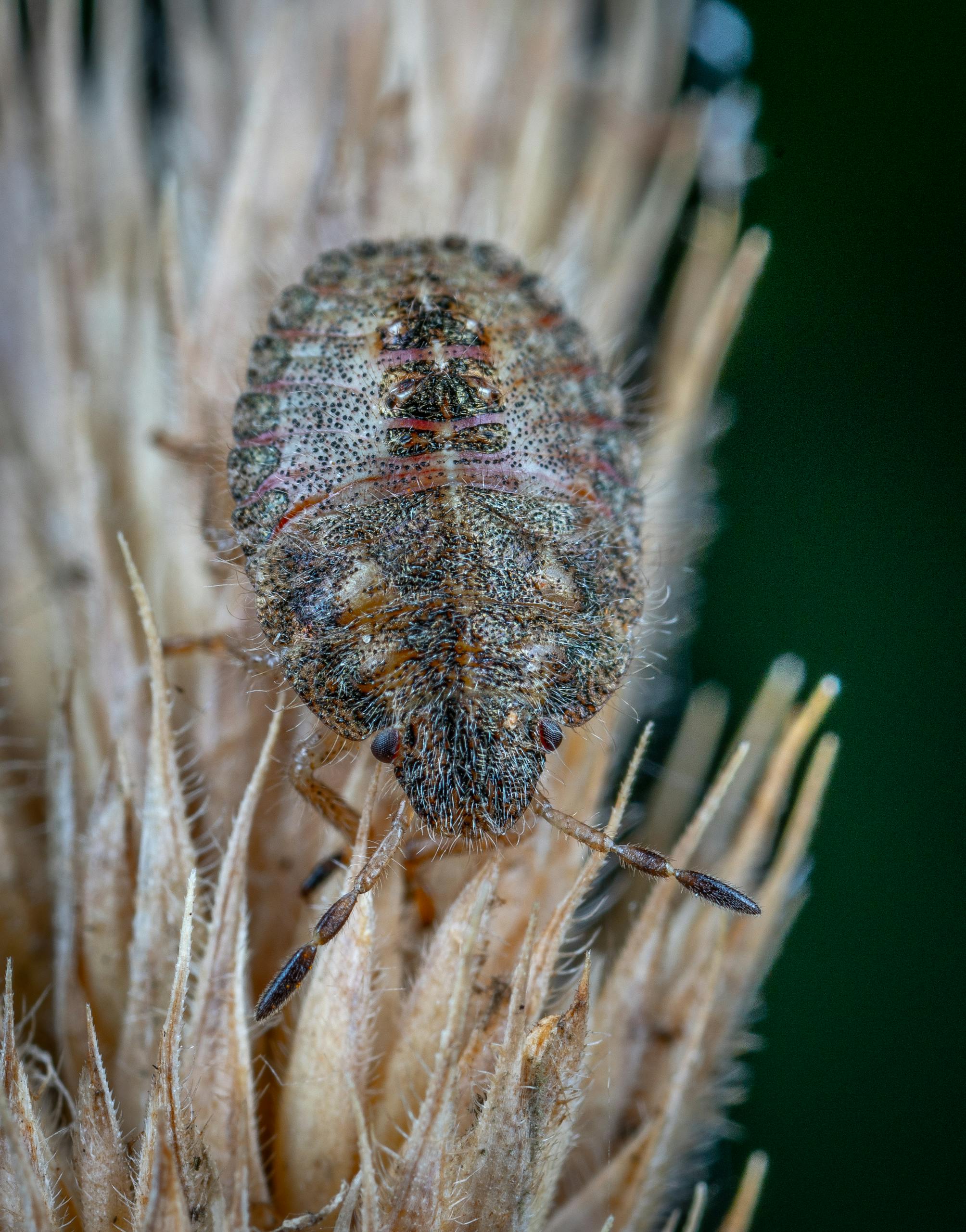
This guide covers everything South Florida property managers need to know about bed bugs in apartment buildings, from the first report to long-term prevention.
Why Bed Bugs in Apartment Buildings Spread So Fast.
Bed bugs are uniquely well-suited to spread through multi-unit residential buildings. Unlike cockroaches, which travel primarily through plumbing, drains, and wall gaps, bed bugs spread primarily through human activity. A tenant brings them home in luggage from a trip, through secondhand furniture purchased at a thrift store, or from a visit to an infested location. Once in a unit, bed bugs begin reproducing and, within weeks to months, start moving into adjacent units through the shared wall spaces, electrical conduits, and baseboards that connect apartments.
In a building with shared laundry facilities, the spread can accelerate significantly, bed bugs hitch rides in laundry bags and clothing, and shared laundry machines are a documented pathway for inter-unit spread.
South Florida’s high volume of short-term rentals, its active secondhand furniture market, and its warm climate, which allows bed bugs to remain active year-round, all contribute to the elevated bed bug pressure that property managers throughout Broward, Palm Beach, and Miami-Dade County face.
Florida Law and Landlord Obligations for Bed Bugs
Florida has specific statutory requirements governing landlord-tenant relationships and pest control. Under Florida Statute 83.51, landlords are required to maintain rental units in a condition that complies with applicable building, housing, and health codes. Bed bug infestations that make a unit uninhabitable can constitute a failure to maintain the unit in compliance with this requirement.
Key points for Florida property managers:
Florida Statute 83.51(2)(a) requires landlords to provide pest extermination at reasonable intervals. For multi-unit residential properties, this includes responding to documented pest problems including bed bugs.
Florida Statute 83.53 requires that landlords give at least 12 hours notice before entering a unit, except in cases of emergency. Bed bug treatment requires tenant cooperation and advance notice.
Disclosure requirements: When renting a unit that has been treated for bed bugs within the past 12 months, Florida law requires that landlords disclose this history to prospective tenants.
This guide is general information only and not legal advice. Consult with a Florida attorney familiar with landlord-tenant law for specific guidance on your obligations.
How to Respond When a Tenant Reports Bed Bugs
The first 48 hours after a bed bug report are critical. Here’s the recommended response sequence:
Step 1 — Take the report seriously immediately. Don’t dismiss or delay. A single infested unit identified early is a manageable problem. A single infested unit ignored for weeks becomes a floor-level or building-level problem that costs significantly more to address.
Step 2 — Schedule a professional inspection the same day or next day. Call your pest control company immediately. A licensed inspector will confirm the infestation, assess its severity, identify likely source and spread pathways, and recommend a treatment plan.
Step 3 — Inspect adjacent units. Bed bugs in one unit almost always mean risk in adjacent units — particularly those sharing walls on either side, above, and below. A responsible protocol includes inspecting the four units surrounding any confirmed infestation as a minimum. Many experienced property managers inspect the entire floor.
Step 4 — Communicate professionally with the tenant. Provide written notice of what you’re doing and the timeline for treatment. Keep communication factual, calm, and documented. Tenant anxiety about bed bugs is real and understandable, professional, prompt communication goes a long way toward managing it.
Step 5 — Provide a preparation checklist. Effective bed bug treatment requires the tenant to prepare the unit, laundering and bagging clothing and bedding, clearing access around the perimeter of the room, removing clutter from under beds and furniture. Your pest control company will provide this checklist. Give tenants adequate time to prepare, typically 24 to 48 hours.
Step 6 — Schedule treatment and follow-up. Most bed bug treatments require at least two visits, an initial treatment and a follow-up inspection and re-treatment 10 to 14 days later. Make sure your treatment protocol includes follow-up.
Treatment Options for Apartment Buildings
Heat treatment. Raising the temperature of the unit to 120°F or above for an extended period kills bed bugs at all life stages, eggs, nymphs, and adults. Heat treatment is highly effective and requires no chemical residue. The limitation in a multi-unit building is that heat doesn’t prevent re-infestation from adjacent units.
Chemical treatment. Professional-grade chemical treatments using a combination of residual insecticides, contact sprays, and insect growth regulators are the most practical approach for multi-unit buildings. Applied correctly, they provide both immediate kill and residual protection that reduces the risk of re-infestation from adjacent units.
Combined protocol. Many pest control professionals recommend a combination approach, heat or chemical treatment of the infested unit combined with residual chemical treatment of adjacent units to create a protective barrier.
Building-wide inspection and preventive treatment. For buildings with a history of bed bug issues, proactive periodic inspection of all units, particularly high-turnover units, combined with preventive treatment at unit turnover is the most effective long-term strategy.
Reducing Bed Bug Risk at Unit Turnover
Unit turnover is the highest-risk moment for bed bug introduction. A departing tenant may leave behind an infestation they didn’t disclose. The next tenant may arrive with bed bugs from a previous location. Here’s how to reduce risk at turnover:
Inspect every unit at move-out. Have a trained inspector or pest control technician check the unit, particularly mattresses, box springs, bed frames, headboards, nightstands, and upholstered furniture — before the next tenant moves in. Many property managers do this as a standard part of the move-out inspection.
Treat the unit at turnover if there’s any doubt. A preventive treatment at turnover is far less expensive than a full infestation treatment after the next tenant has settled in.
Document everything. Keep records of every inspection and treatment. This documentation protects you legally and demonstrates due diligence.
Preventing Bed Bug Spread in Common Areas
Laundry rooms are the most significant common area bed bug spread pathway in apartment buildings. Recommendations:
- Post information in the laundry room advising tenants to transport laundry in sealed bags
- Inspect and treat laundry room seating and crevices periodically
- Consider periodic professional inspection of the laundry facility
Lobby and hallway upholstered furniture should be inspected periodically, particularly in buildings with high guest traffic. Hard-surface furniture is preferable in common areas for this reason.
What to Tell Tenants About Bed Bugs
Tenant education is one of the most effective bed bug prevention tools available to property managers. Consider including bed bug information in your welcome packet or lease:
- How to identify bed bugs and early signs of infestation (small blood spots on bedding, shed skins, actual insects in seams of mattresses and furniture)
- The importance of reporting suspected bed bugs immediately
- Risks of purchasing secondhand mattresses and upholstered furniture
- Instructions for inspecting luggage after travel
The earlier a tenant reports a suspected infestation, the less expensive and disruptive it is to treat.
Alco Pest Control — South Florida’s Multi-Unit Bed Bug Specialists
Alco Pest Control has been providing bed bug inspection and treatment for apartment complexes, condominium communities, and multi-family properties throughout Broward, Palm Beach, and Miami-Dade County for over 27 years. We work directly with property managers to develop treatment protocols, coordinate with tenants, and document every service for your records.
When a tenant reports bed bugs, we respond quickly. When you need a building-wide inspection program, we can design and maintain it.
Call 954-427-6008 or contact us online for a commercial consultation.
Serving property managers throughout Fort Lauderdale, Pompano Beach, Boca Raton, Hollywood, Coral Springs, Miami Gardens, and all of South Florida.