If you’ve ever seen a cloud of winged insects swarming around a light fixture or streetlamp on a warm spring evening in South Florida, you’ve witnessed termite swarm season firsthand. It’s one of the most dramatic pest events in our region — and for homeowners, one of the most important warning signs to understand.
Here’s everything South Florida homeowners need to know about termite season, what the swarms mean, and how to protect your home.
Does South Florida Actually Have a “Termite Season”?
Yes and no. Unlike states with cold winters — where termite activity essentially pauses for several months — South Florida’s subtropical climate means subterranean termites are biologically active year-round. They never stop feeding, tunneling, or damaging the wood structures of homes and businesses in Broward, Palm Beach, and Miami-Dade County.
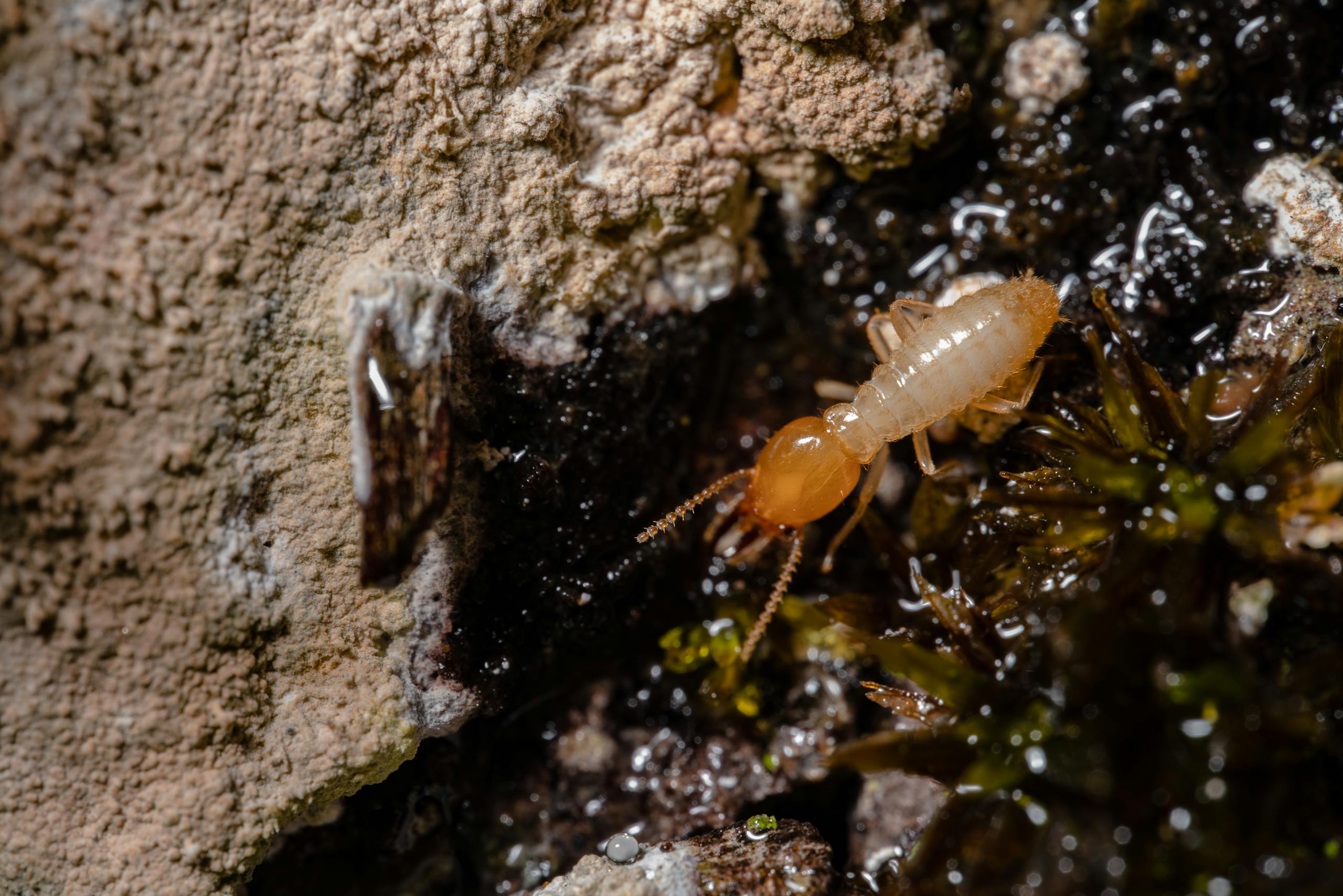
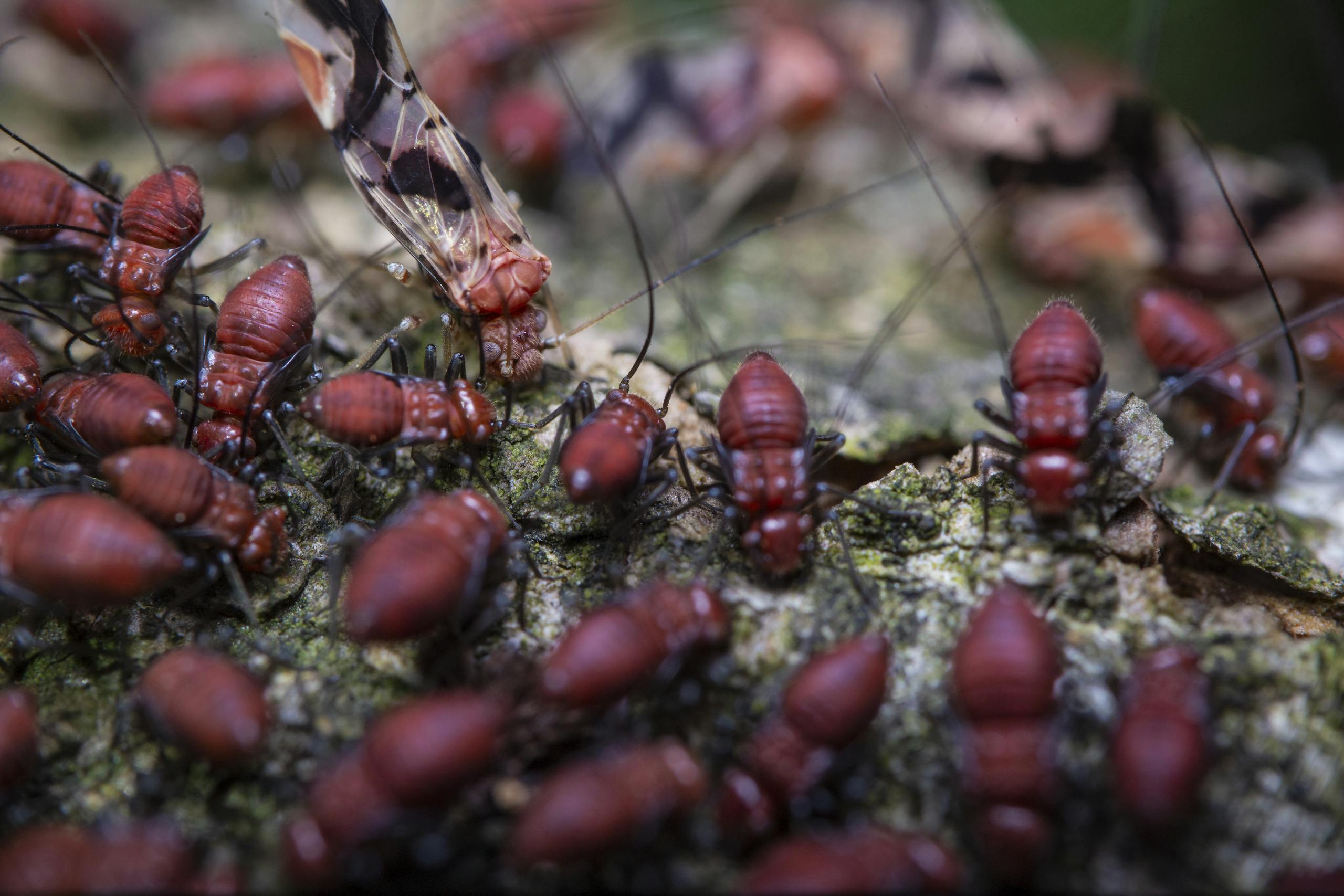
What does have a distinct season is termite swarming — the reproductive event where winged termites (called alates or swarmers) leave an established colony to mate and found new colonies. This is the most visible termite activity you’ll ever see, and it’s concentrated in the spring and early summer months.
In South Florida, subterranean termite swarms most commonly occur from March through June, typically triggered by warm temperatures, high humidity, and the first significant rains of the season. Swarms usually happen in the late afternoon or early evening and can last anywhere from 30 minutes to a few hours.
Drywood termites — a separate and also very damaging species common in South Florida — swarm slightly later, typically from May through November, with peak activity in the summer months.
What Does a Termite Swarm Mean?
When you see termites swarming, it means one thing: there is an established, mature termite colony nearby. Termite colonies don’t produce swarmers until they are at least 3 to 5 years old and have reached a population of tens of thousands of insects. A swarm is not the beginning of an infestation — it’s evidence that an infestation has already been present for years.
Swarmers themselves are not destructive. They don’t eat wood. Their only purpose is to mate and start new colonies. Most swarmers die within a few hours without finding a mate or suitable nesting site. But if you see swarmers inside your home — emerging from the walls, floor, or ceiling — it means the established colony is inside your structure, and professional inspection is urgent.
How to Tell Termite Swarmers from Flying Ants
This is one of the most common questions homeowners ask after a swarm event. The two insects look similar at a glance but have three key differences:
Antennae: Termite swarmers have straight, bead-like antennae. Flying ants have elbowed (bent) antennae.
Wings: Termite swarmers have two pairs of wings that are equal in length — both pairs extend well beyond the body. Flying ants have unequal wings — the front pair is noticeably larger than the rear pair.
Waist: Termites have a thick, straight waist (no pinch between the thorax and abdomen). Flying ants have a distinctly pinched, narrow waist.
If you find swarmers or shed wings and you’re not sure what you’re looking at, collect a sample in a zip-lock bag and call us — we’ll identify it for free.
Warning Signs of Termite Activity Beyond Swarms
Swarming is the most visible termite sign, but it’s not the only one. Here are the other warning signs South Florida homeowners should watch for throughout the year:
Mud tubes on foundation walls. Subterranean termites build pencil-width mud tubes along foundation walls, concrete block, piers, and other surfaces to travel between the soil and the wood they’re feeding on. These tubes maintain the humidity termites require and protect them from predators. Finding a mud tube on your foundation is a definitive sign of subterranean termite activity.
Hollow-sounding wood. Termites eat wood from the inside out, leaving only a thin outer layer. Tap wood surfaces — door frames, baseboards, floor joists, window sills — with a screwdriver handle. A hollow sound where there should be solid wood indicates termite damage.
Bubbling or uneven paint. Moisture from termite activity can cause paint to bubble, peel, or appear uneven. This is often mistaken for a water leak. If there’s no plumbing source nearby, consider a termite inspection.
Frass (drywood termite droppings). Drywood termites push their feces — small, hexagonal, hard pellets — out of the wood through tiny kick-out holes. Finding a small pile of what looks like sand or sawdust beneath a wood surface is a common sign of drywood termite activity.
Tight-fitting doors or windows. Termite damage and the moisture termites produce can cause wood to warp, making previously well-fitted doors and windows suddenly difficult to open or close.
The Most Termite-Vulnerable Properties in South Florida
All properties in South Florida are at some level of termite risk, but some face significantly higher exposure:
Older homes built before modern termite prevention standards — particularly those built before the 1990s — often have wood-to-soil contact, inadequate chemical barriers, or no existing termite protection at all. Homes in Pompano Beach, Fort Lauderdale, Hollywood, Oakland Park, Dania Beach, Wilton Manors, and other established Broward communities with significant older housing stock are at highest risk.
Homes near water. Properties adjacent to canals, the Intracoastal, or in low-lying areas experience higher soil moisture levels, which subterranean termites require. Canal-front properties in Lighthouse Point, Davie, and throughout Broward’s waterway communities face elevated subterranean termite pressure.
Properties with wood mulch or untreated landscape timbers. Mulch and landscape timbers in direct contact with the foundation create a termite bridge from the soil to the structure.
Homes without active termite monitoring. Termites operate silently and invisibly for months or years before visible damage appears. Properties without a professional inspection program or active monitoring system are the most vulnerable to severe damage.
What to Do During Termite Swarm Season
If you see termites swarming outside your home — on a neighbor’s property, around a street light, or in the yard — there is no immediate emergency. Swarmers are looking for new nesting sites but the vast majority won’t successfully establish a colony. Take note of when and where you saw the swarm and consider scheduling a preventive inspection.
If you see termites swarming inside your home — particularly emerging from walls, the floor, window frames, or ceiling — treat it as urgent. This indicates an established colony within the structure. Sweep up or vacuum the swarmers (they die quickly anyway), save a few in a bag for identification, and call a pest control professional the same day.
Protecting Your South Florida Home from Termites Year-Round
The most effective termite protection is a combination of professional inspection, appropriate treatment, and ongoing monitoring. Here’s what Alco Pest Control recommends for South Florida homeowners:
Annual inspection. Every South Florida home should have a professional termite inspection at minimum every one to three years. Homes in high-risk areas or without existing treatment should be inspected annually.
Termidor liquid soil treatment. For subterranean termites, a Termidor application creates a treated zone in the soil around the foundation that eliminates termites entering the treated area and spreads through the colony via contact transfer. A single Termidor treatment typically provides protection for 10 or more years.
Sentricon baiting system. Sentricon bait stations are installed around the perimeter of the home and monitored regularly. Termites feed on the bait and carry it back to the colony, eliminating the entire population over time. Sentricon provides both treatment and ongoing monitoring in one system.
Eliminate wood-to-soil contact. Remove wood mulch from against the foundation, replace untreated landscape timbers with concrete or composite alternatives, and ensure firewood is stored away from the structure.
Alco Pest Control — South Florida Termite Inspection and Treatment
Alco Pest Control has been protecting South Florida homes from termites for over 27 years. We provide full termite inspections, Termidor liquid treatment, Sentricon baiting and monitoring, and WDO inspection reports for real estate transactions throughout Broward, Palm Beach, and Miami-Dade County.
If you see swarmers, mud tubes, or any other sign of termite activity — or if it’s simply been a few years since your last inspection — call us today.
Call 954-427-6008 or schedule your free termite inspection online.
Serving Pompano Beach, Fort Lauderdale, Boca Raton, Coral Springs, Hollywood, Delray Beach, and all of South Florida.